1972 Set – Lawn Tennis Court Legacy Project
 Introduction
Government College Ibadan has a long tradition of nurturing well-rounded students through a strong balance of academic excellence, character development, and sporting activities. In line with this tradition, the Government College Ibadan Old Boys Association (GCIOBA) continues to support projects that enhance the school’s facilities and learning environment.
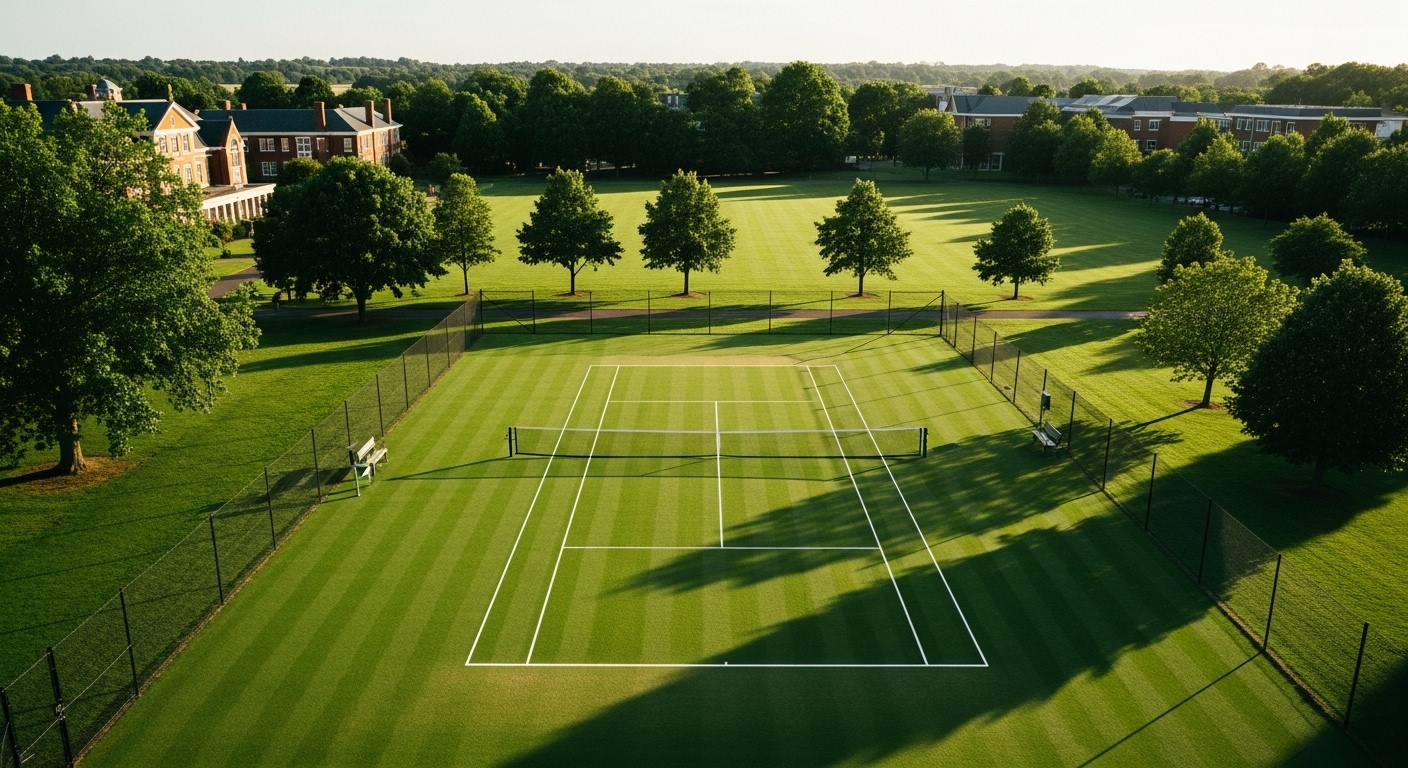
As part of their 50th anniversary celebration, the GCIOBA 1972 Set undertook the construction of a standard lawn tennis court as their legacy project to the school. Completed in October 2022, the project reflects the set’s commitment to giving back to their alma mater and supporting the development of current and future students.
In this interview, Mr. Folorunso Kolade, Chairman of the Project Implementation Committee, shares insights into the inspiration, planning process, challenges, and expected impact of the project on the sporting life of Government College Ibadan.
The Interview
1. Can you briefly introduce the 1972 Set and your role in the set?
Ans: The GCIOBA 1972 set refers to the group of students who gained admission to GCI in 1972. Most of us left in 1976, while a few who stayed back for A-Levels were joined by other students who were admitted for A-Levels. The set is unique in that it is the only set that has produced 3 heads of school namely:
Rotimi Fabamwo- 1975-76
Olaniyi Oredein- 1976-77
Gbenga Akinyombo- 1977–78
I am Folorunso Kolade, and I was the Chairman of the project implementation committee. I worked under Oluseun Mabogunje, who was the chairman of the 50th Anniversary Planning Committee.
2. What inspired the 1972 Set to undertake the construction of the lawn tennis court as a legacy project for Government College Ibadan?
Ans: The inspiration to undertake the construction of the lawn tennis court was borne out of the belief we have that there should be an effective balance between sports and academics. That was the training we received in GCI.
3. How did the idea for the project originate, and what needs in the school did it seek to address?
Ans: The idea for the project originated from the needs list collected from the GCIOBA administrative office, and it sought to engage more students in other sports apart from football.
4. When was the project conceived and when was it completed?
Ans: The decision to undertake the project was a unanimous one taken by the members of the set, following which a project implementation committee was set up with Folorunso Kolade as the Chairman. The foundation stone for the project was laid on 25th June, 2022, by Akin Orowale (1968 set), who represented the national president, with the Chairman of the Asset Management Committee, Dapo Sonola (1970 set), in attendance. The project was completed in October 2022.
5. Could you briefly describe the process of planning and executing the project?
Ans: The project implementation committee, consisting of seven members of the set, was charged with the responsibility of delivering the project. Tenders were sent to contractors to bid for the project. A sub-committee of two interviewed the contractors before the contract was awarded to House of Tennis International Ltd. A separate contract for the construction of toilets was awarded to Lightview Construction Company. These contracts were closely supervised by members of the Project Implementation Committee.
6. What were some of the major challenges encountered during the project and how were they resolved?
Ans: One major challenge we encountered was finance. We had to appeal to members to donate towards the project. The topography of the location of the court was also another challenge. It required a lot of sand filling and levelling.
7. Approximately what was the cost of the project and how was it funded by members of the 1972 Set?
Ans: The approximate cost of the project was about 17 million Naira, and it was funded by donations from members of the set who were willing to give back to the school.
8. What impact do you hope the lawn tennis court will have on the students and the sporting life of Government College Ibadan?
Ans: The tennis court will have a positive impact on the students as it exposes them to another means of recreation. It is also a part of their education. It is our vision that this tennis court will be the starting point for future national and global tennis champions.
9. How does this project align with the broader GCIOBA drive to reposition the school and restore its tradition of excellence?
Ans: The project aligns positively with the broader GCIOBA goal to reposition the school and restore the tradition of excellence. It is pertinent to note that tennis rackets and balls have also been provided for the students. A coach was also engaged by the set to teach and improve the skills of the students. This is all in a bid to restore the tradition of excellence in sports.
10. What message would the 1972 Set like to share with other sets regarding giving back to Government College Ibadan?
Ans: The message is simple. GCI gave us a foundation for who we are today. By giving back, we are simply expressing our gratitude and creating opportunities for the next generation.